Shirts

Chess you can read across a room

Two ideas. Real chess puzzles, printed large enough to solve, with the answer deliberately left off the shirt. And the history of the game — where it came from, and everyone who has held its title.

Every position we print is checked by a chess engine first. A puzzle with two answers, or none, is worthless — and you cannot tell by looking at it.

The shop isn’t open yet

The designs are finished and the print files are ready; the storefront itself is still being set up. Nothing is for sale here today. If you want to know when it opens, or you’d like a run for a chess club or a school team, say hello.

Get in touch
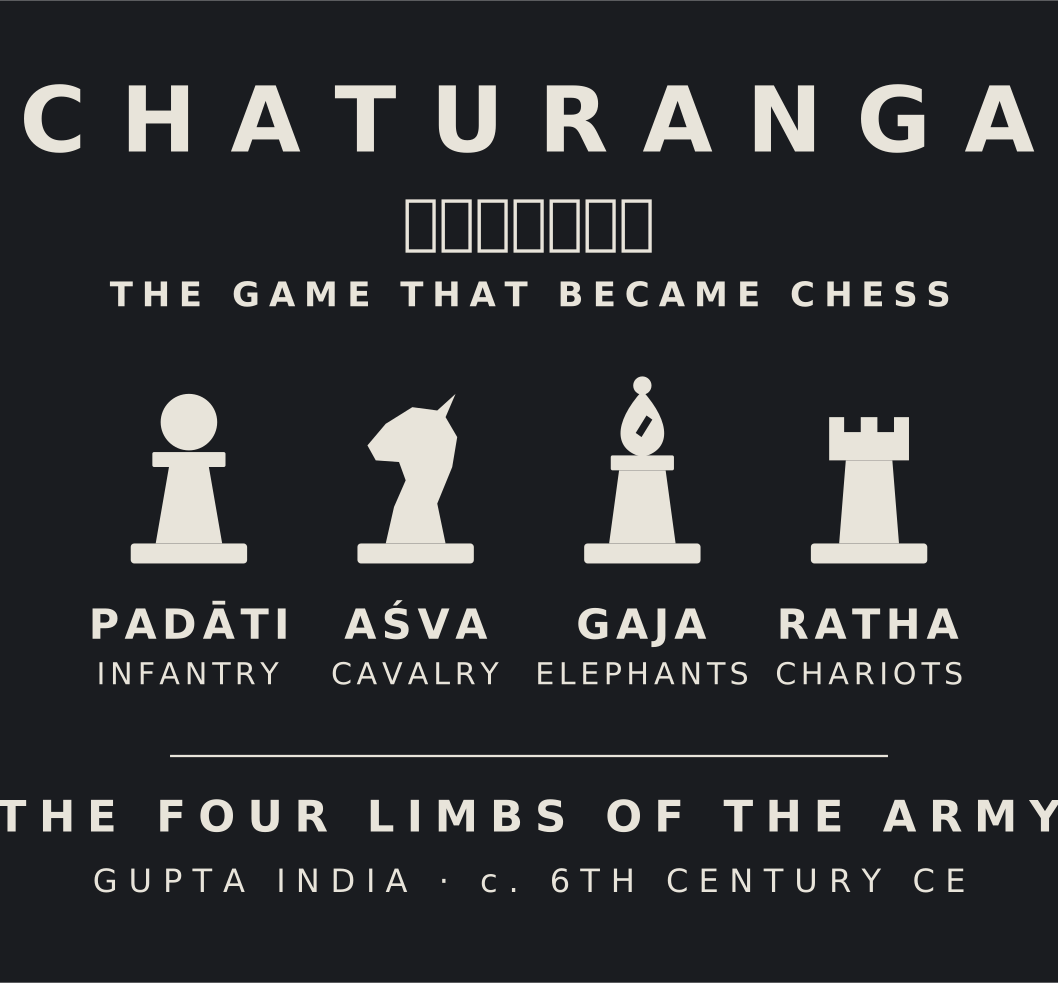
Four chess pieces labelled with the Sanskrit army divisions they descend from
Heritage

Chaturanga

The four limbs of the army

Chess began in northern India around the sixth century, in a game called chaturanga — Sanskrit for “four limbs”, the four divisions of an army. All four are still on your board: infantry became pawns, cavalry became knights, elephants became bishops, chariots became rooks. The elephant is the one nobody knows.
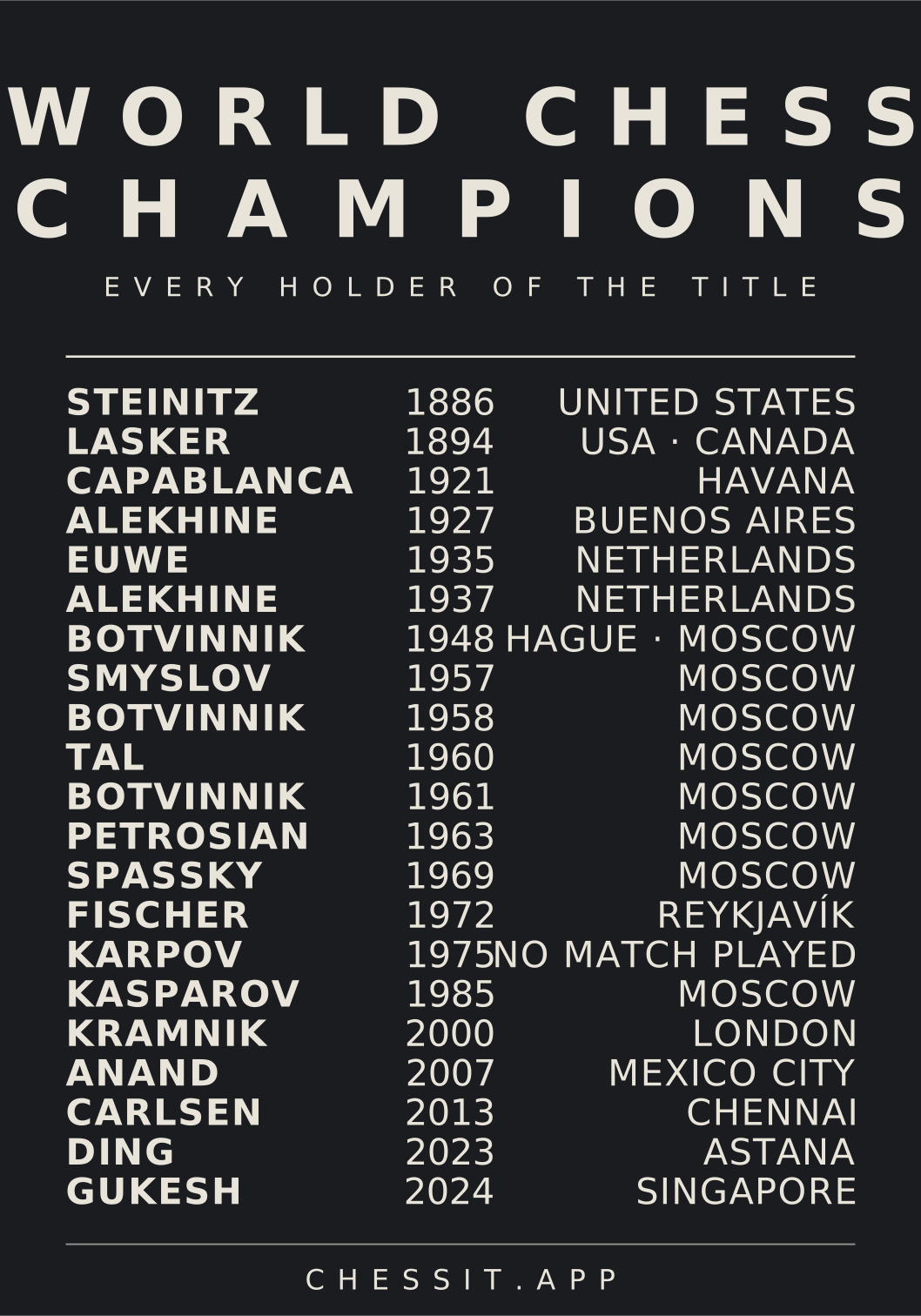
A list of every undisputed world chess champion with the year and place each won
Heritage

The Title

Every world champion since 1886

Twenty-one titles, eighteen people, set the way a tour shirt is set. Where the record is genuinely unsettled the shirt says so rather than inventing an answer — four early matches moved between cities, so those rows give the country, and Karpov’s 1975 row reads “no match played”.

Listing in December, after this year’s title match.

A chess position printed large, with the words Solve It and a QR code
Solve It

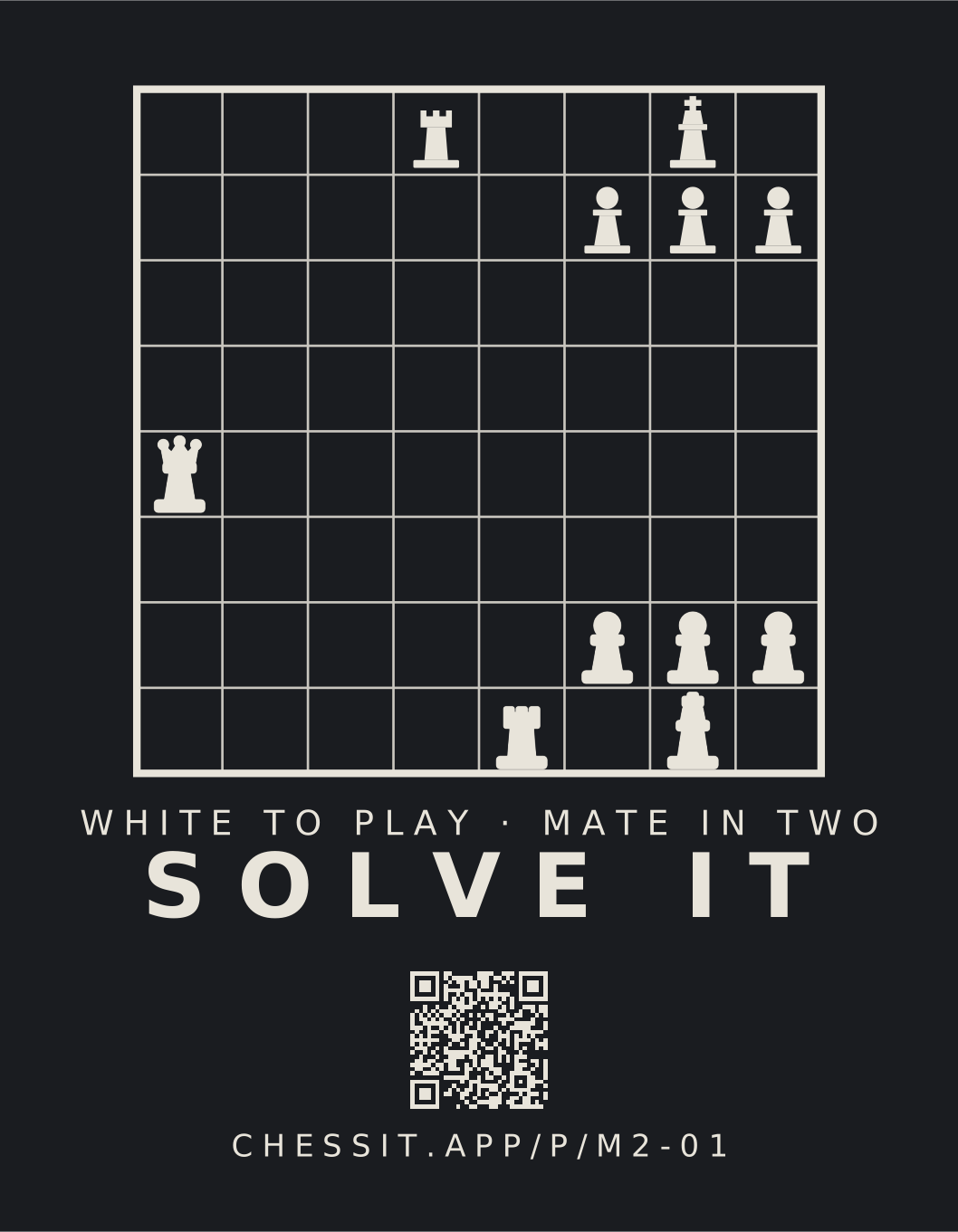
Solve It — Mate in Two

White to play. A queen sacrifice.

A real position, printed big enough to solve from across a room. The answer is not on the shirt — it is behind the code under the board, so the person wearing it knows and you have to work for it.

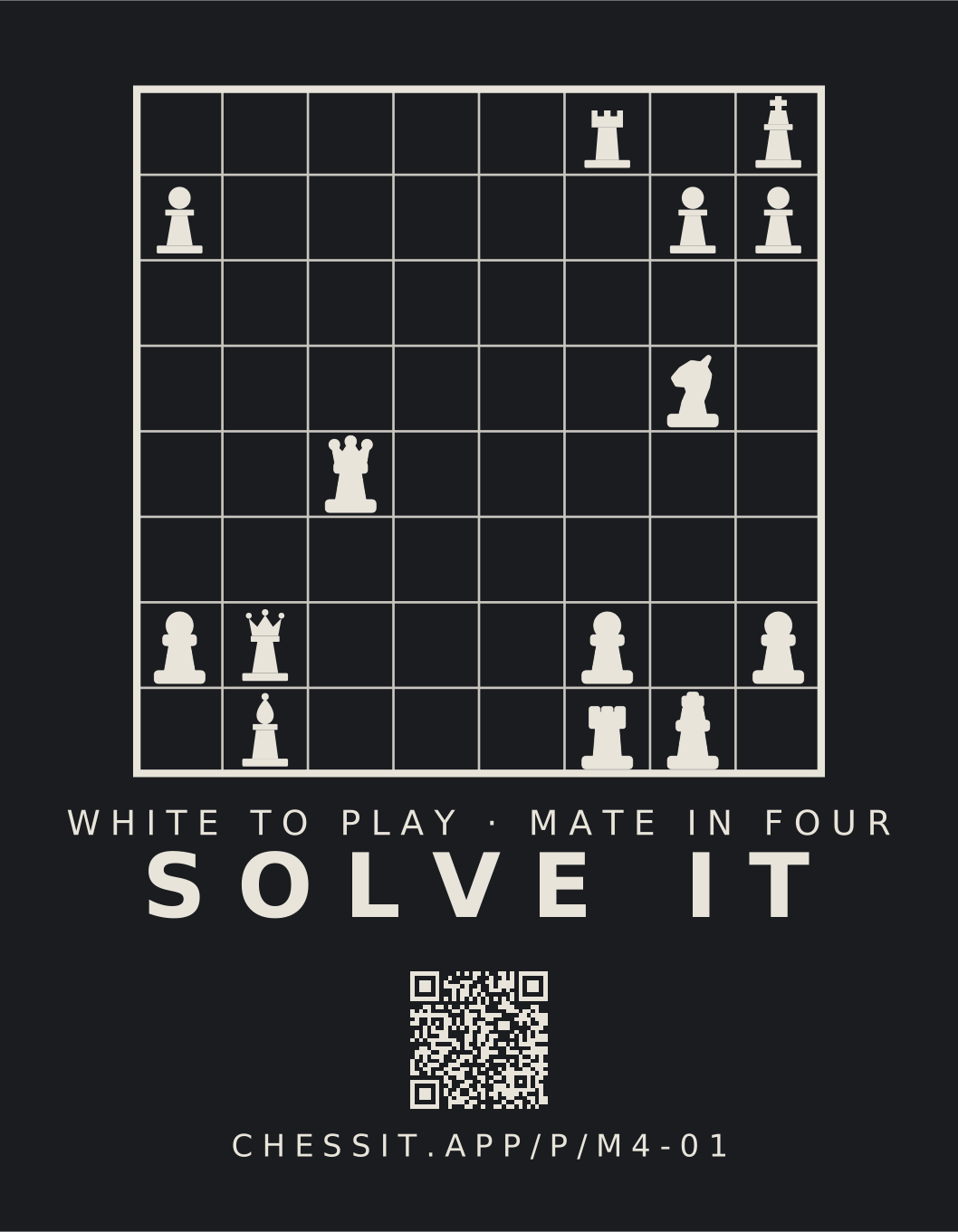
A harder chess position printed large, with the words Solve It and a QR code
Solve It

Solve It — Mate in Four

White to play. Four moves.

Four moves is where a puzzle stops being a pattern you recognise and starts being a line you have to calculate. Expect people to stand in front of you for a while.

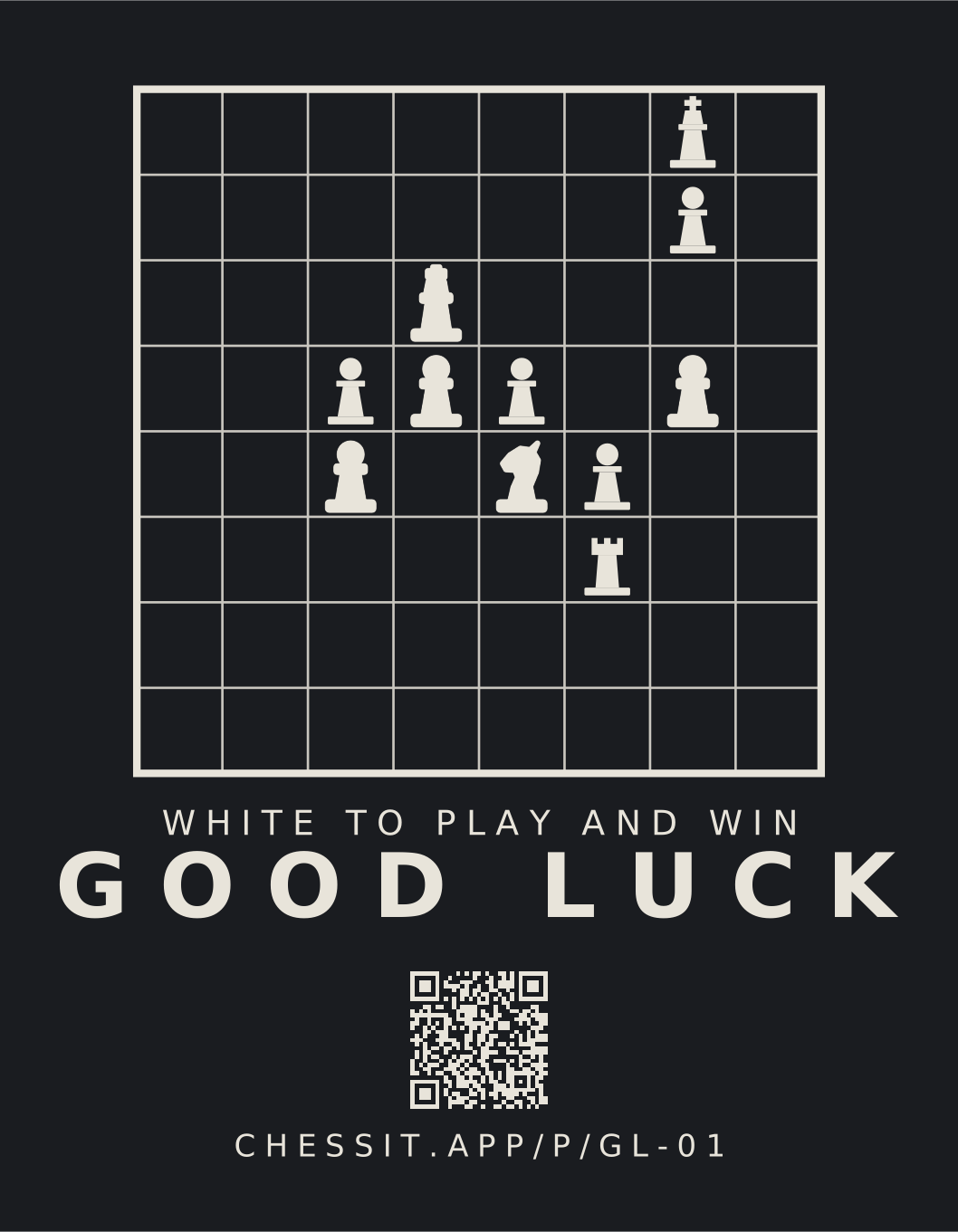
A very hard chess endgame printed large, with the words Good Luck and a QR code
Solve It

Solve It — Good Luck

White to play and win.

Eleven pieces, two kings facing each other, and almost nothing to help you. It is not a mate — it is a won endgame, and the shirt says so, because a puzzle that lies about what it wants is not a puzzle.

How this works

The answer lives here, not on the shirt

Each puzzle shirt carries a short code and a QR under the board. Scan it, or type the code, and you land on that exact position — try it, then reveal the answer. That is the whole mechanic: the person wearing it knows, and you have to ask or work it out.

Buying happens on the storefront, not here. ChessIt has no cart and never handles a payment — it is a chess app, and that is all it should be.

The app is free

You don’t need a shirt to get better

ChessIt reviews your own games with a chess engine, finds the mistakes you keep repeating, and builds a 20-minute daily plan around exactly those. Free, no ads.